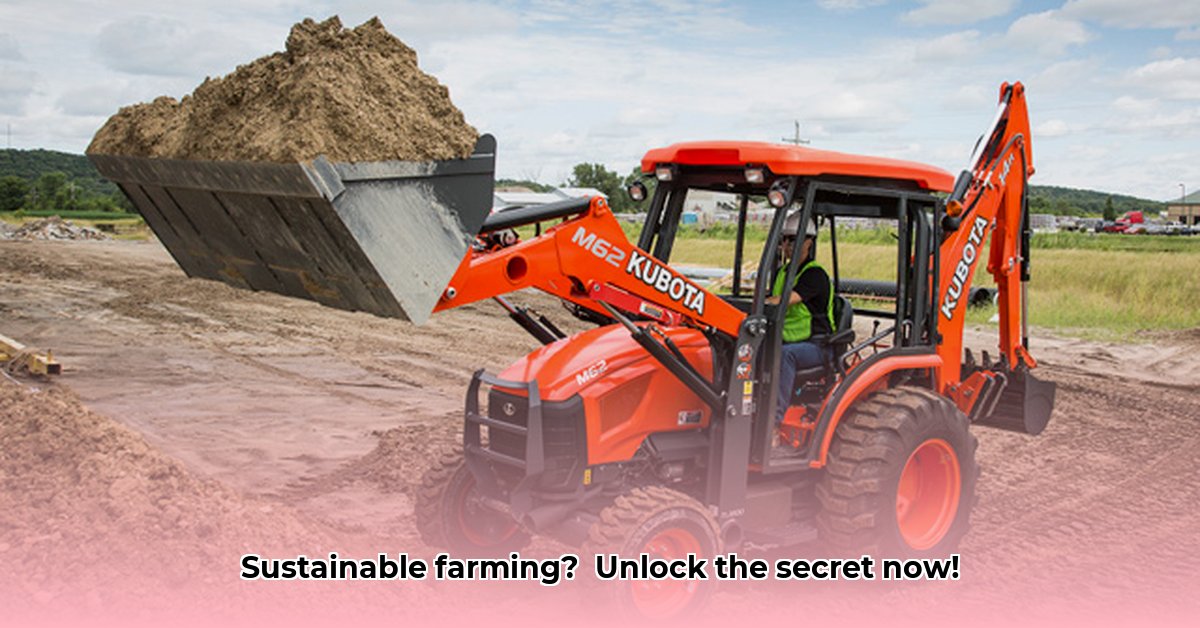
Tractor Loader Backhoes: A Sustainable Farming Solution
Modern agriculture demands efficient and sustainable practices. Tractor loader backhoes (TLBs) – versatile machines combining a tractor's power with a backhoe's digging capabilities and a loader's lifting capacity – are increasingly recognized as valuable tools for achieving these goals. Their ability to handle a wide range of tasks efficiently makes them a compelling investment for environmentally conscious farmers. This article explores the multifaceted benefits of TLBs in sustainable agriculture, providing practical guidance for their effective use and maintenance. For more information on tractor attachments, check out this helpful resource: Backhoe Attachments.
Boosting Efficiency and Sustainability with TLBs
TLBs significantly enhance farm efficiency by consolidating multiple operations into a single machine. This reduces downtime associated with switching equipment, saves fuel, and optimizes workflows. Consider the tasks involved in preparing a field for planting: clearing debris, digging drainage ditches, tilling the soil, and spreading manure. A TLB handles all these tasks sequentially, maximizing efficiency compared to using several separate machines. Isn't this streamlined approach attractive, particularly when aiming for sustainable resource usage?
Precision Tillage for Soil Health
Traditional tillage methods often lead to soil compaction and erosion. TLBs enable precision tillage, targeting only the necessary areas and minimizing soil disturbance. This preserves soil structure, enhances water retention, and reduces erosion – key elements of sustainable land management. How much can precision tillage improve water retention in your specific soil type? Research suggests reductions in water runoff by up to 25% in some soil conditions.
Efficient Manure Management: Turning Waste into a Resource
Manure, often viewed as waste, is a valuable fertilizer. TLBs facilitate efficient manure handling, from loading and transporting to precise spreading. This minimizes nutrient runoff, preventing water pollution and maximizing the fertilizer's value. Dr. Emily Carter, Soil Scientist at the University of California, Davis, states, "Proper manure application using TLBs can significantly reduce nutrient runoff, leading to improved water quality and reduced fertilizer costs." This precision placement is vital for sustainable farming.
Water Conservation Through Terracing
On sloping land, terraces created by TLBs slow water runoff, minimizing erosion and increasing water infiltration. This reduces the need for supplemental irrigation, contributing to significant water savings. What percentage reduction in irrigation water could you achieve with effective terracing? Studies indicate that water savings can reach 40% or more depending on the terrain and farming method.
Selecting and Maintaining Your TLB
Choosing the right TLB requires careful consideration of your farm's unique needs. Factors include farm size, soil types, and specific tasks. Smaller, more maneuverable models suit smaller farms while larger TLBs are ideal for larger operations. Budget and maintenance costs are crucial considerations. Is it more cost-effective for your farm? A thorough cost-benefit analysis is advised for informed decision-making.
Regular maintenance, including fluid checks, inspections for wear and tear, and timely repairs, is essential for peak performance and longevity. Proactive maintenance prevents costly breakdowns and maximizes the machine’s lifespan. What is the average cost for preventative maintenance of a TLB annually? This cost depends on several factors but needs to be accounted for in the overall ownership and operational costs.
The Future of TLBs in Sustainable Agriculture
Technological advancements promise further enhanced TLB capabilities for increased sustainability. Automated features will reduce manual labor and enhance precision, while electric TLBs will minimize environmental impact. The development of these technologies underscores the continued importance of TLBs in promoting sustainable farming practices.
Actionable Steps for TLB Integration
- Farm Assessment: Analyze your farm's needs, identifying tasks suitable for a TLB.
- Model Research: Thoroughly research available TLB models, comparing specifications and prices.
- Expert Consultation: Seek advice from agricultural equipment specialists or experienced farmers.
- Maintenance Schedule: Create a detailed maintenance plan for preventive maintenance and repairs.
- Operator Training: Ensure operators are fully trained for safe and efficient operation.
Weighing the Pros and Cons
| Pros | Cons |
|---|---|
| Increased efficiency and productivity | High initial purchase cost |
| Versatility and wide range of uses | Requires skilled and trained operators |
| Improved precision and soil conservation | Regular maintenance and repair costs |
| Reduced labor costs | Potential environmental impact (fuel emissions) |
TLBs represent a valuable investment for farmers prioritizing sustainability and efficiency. Careful planning and informed decision-making are key to maximizing their benefits in achieving a more productive and environmentally responsible farming operation.